Peripheral Artery Disease Treatment

Minimally invasive PAD treatment in Downey, CA

Overview | Treatments | Candidates | Why PVAC?

What treatment options are available for peripheral artery disease?

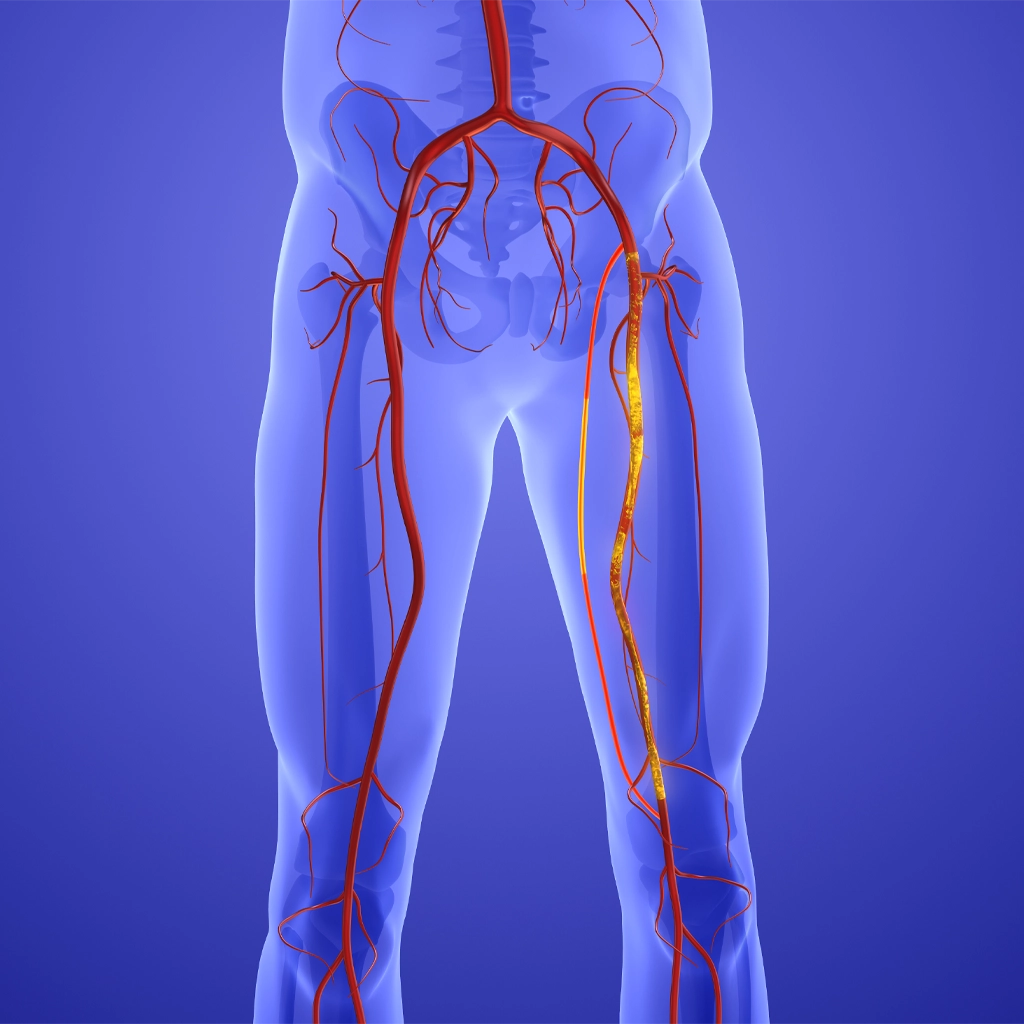
At Pacific Vascular Access Care, PAD treatments are focused on improving blood flow, reducing symptoms and the progression of the disease and lowering the associated risks such as non-healing wounds, infection, tissue loss and possible amputation. In fact, if you have been told you may need an amputation as a result of PAD, you may wish to consult with us to get a second opinion.

If conservative treatment for PAD—such as medication and lifestyle changes—hasn’t worked and treatment is required, the following treatments are available at our outpatient center:
Peripheral Artery Disease Treatment
  • Angioplasty and Stenting: During angioplasty, a tiny catheter with a balloon at the tip is inserted into the narrowed artery and inflated. Sometimes, this is enough to open the artery and restore blood flow. In some cases, a stent (a tiny metal scaffold) is inserted into the blood vessel and expanded to keep the artery open.
  • Atherectomy: This minimally invasive procedure uses a special catheter with a cutting or burring device that removes plaque from the artery wall. After the plaque is cut from the wall, it is removed through the catheter. In some cases, a laser may be used which releases the plaque into the bloodstream where it is then naturally removed by the body.
  • Thrombolytic Therapy or Thrombectomy: If the blockage is caused by a blood clot, a minimally invasive procedure called thrombolytic therapy may be used to deliver a clot-busting medicine directly into the clot to dissolve it. An alternative, thrombectomy, uses suctioning to remove the clot.
  • Bypass Surgery: If the blockage cannot be treated with a minimally invasive approach, or in advanced cases of critical limb ischemia, bypass surgery may be recommended. This surgery creates a new path for the blood to flow around a blocked artery.

Who is eligible for minimally invasive PAD treatment?

Minimally invasive treatments, such as the non-surgical options described here, are appropriate for most patients with PAD. However, the recommended treatment will depend on the severity of disease, symptoms, location of the blockage(s), overall health, risk of limb loss and individual patient goals. If you have been diagnosed with PAD, a consultation with our physician can be very helpful in decision-making.

The PVAC Difference

At Pacific Vascular Access Care, we specialize in PAD treatment with a strong commitment to patient safety, comfort and individualized care. Our experienced physicians use advanced technology and proven techniques to provide high-quality treatment and achieve the best possible outcomes for each patient.

We understand that exploring treatment options for vascular disease can feel overwhelming. Our compassionate healthcare team is dedicated to supporting you throughout every stage of your care, from the initial consultation through recovery and follow-up visits. We emphasize open communication, patient education and personalized guidance so you can feel confident and informed when making decisions about your health.