
Benign Prostatic Hyperplasia (BPH)

Risk Factors and Symptoms | Diagnosis | Treatment

What is BPH?

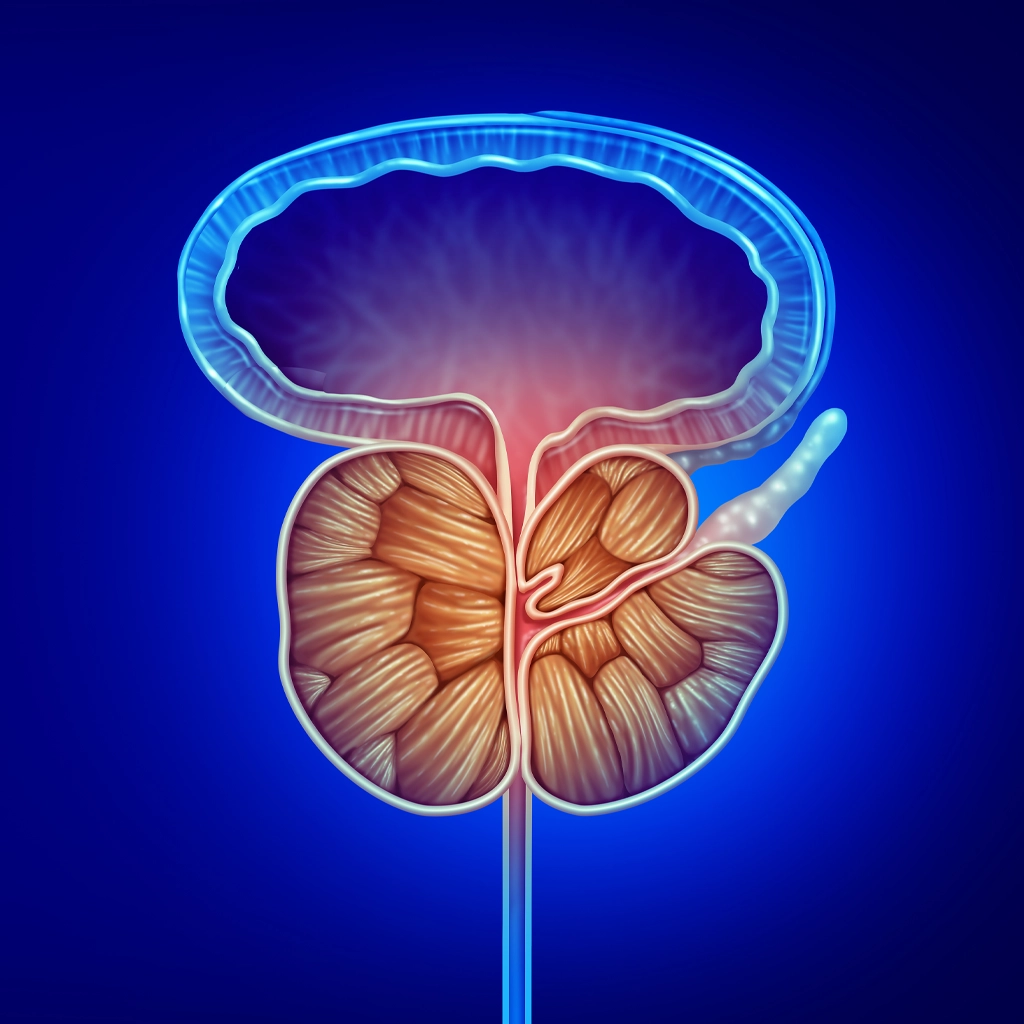
BPH is a common condition among men as they age. The prostate gland, a small walnut-sized gland below the bladder and part of the male reproductive system, grows larger and compresses the urethra—the vessel that carries urine from the bladder through the penis and out of the body. When the urethra is compressed, it can cause urinary problems and even impact sexual performance.

treatments

What are the risk factors for BPH?

BPH is rare under 40 but becomes more common as men age. By age 60, half of men will experience the signs of BPH. That number rises to 90% for men at age 85. Other risk factors include diabetes, heart disease, a family history of BPH, and lifestyle factors such as being overweight. Exercise can help lower your risk of BPH.

What are the symptoms?

  • Frequent urination, especially at night
  • Difficulty starting/stopping urination
  • A weak or interrupted urine stream
  • Dribbling at the end or urination
  • The inability to completely empty the bladder
  • Straining to urinate
  • A sudden urgency to urinate
  • The inability to urinate

How is BPH diagnosed?

When BPH is suspected, there are several ways the condition may be diagnosed:

  • Physical exam – Your doctor will take a detailed medical history and perform an examination that includes a digital rectal exam to check the size and shape of the prostate. Your doctor will also evaluate your symptoms with an IPSS (International Prostate Symptom Score) score card.
  • Urinalysis – A test that checks for the signs of infection or other conditions that might cause similar symptoms to BPH.
  • PSA Blood Test – The prostate-specific antigen blood test is sometimes used to diagnose BPH but is also used to determine risk for prostate cancer.
  • Uroflowmetry – A test that measures the volume and strength of your urine flow.
  • Postvoid Residual Volume Test – A test that measures how much urine remains in your bladder after you urinate.
  • Diagnostic Imaging Tests – Ultrasound or MRI may be used to evaluate the prostate gland and the urinary tract.

Treatment for BPH

There are many surgical and less invasive treatments for BPH. These include:

Prostatectomy

Recommended for those with a very large prostate, this open surgical procedure is used to remove the prostate or a large part of it.

Transurethral Resection of the Prostate (TURP)

This common surgery to treat BPH cuts and removes excess prostate tissue to reduce the size of the gland as well as the symptoms of BPH.

UroLift®

This minimally invasive procedure involves the placement of permanent implants in the body to lift prostate tissue away from the urethra.

Rezum® Water Vapor Therapy

A device is inserted into the urethra that uses water vapor to remove excess prostate tissue.

Prostate Artery Embolization

A minimally invasive procedure that blocks the flow of blood to the prostate gland, causing it to shrink and symptoms to alleviate.

How can we help you?

At Pacific Vascular Access Care, we understand how an enlarged prostate and frequent urination can disrupt your daily life. Our dedicated healthcare team provides personalized care and steady support at every step. Using advanced diagnostics and a full range of treatment options, we tailor each plan to your specific needs.