As exciting as the prospect of avoiding open surgery may be, it’s important to note that vascular and interventional radiology (IR) is not a new field of medicine. IR procedures have been used since the 1960s to treat vascular conditions like peripheral artery disease (PAD) and deep vein thrombosis (DVT). During the past three decades, innovations in technology and techniques have made the treatment of cancer, osteoarthritis/joint pain, chronic hemorrhoids, uterine fibroids, enlarged prostate and other conditions less invasive and more practical for most people.
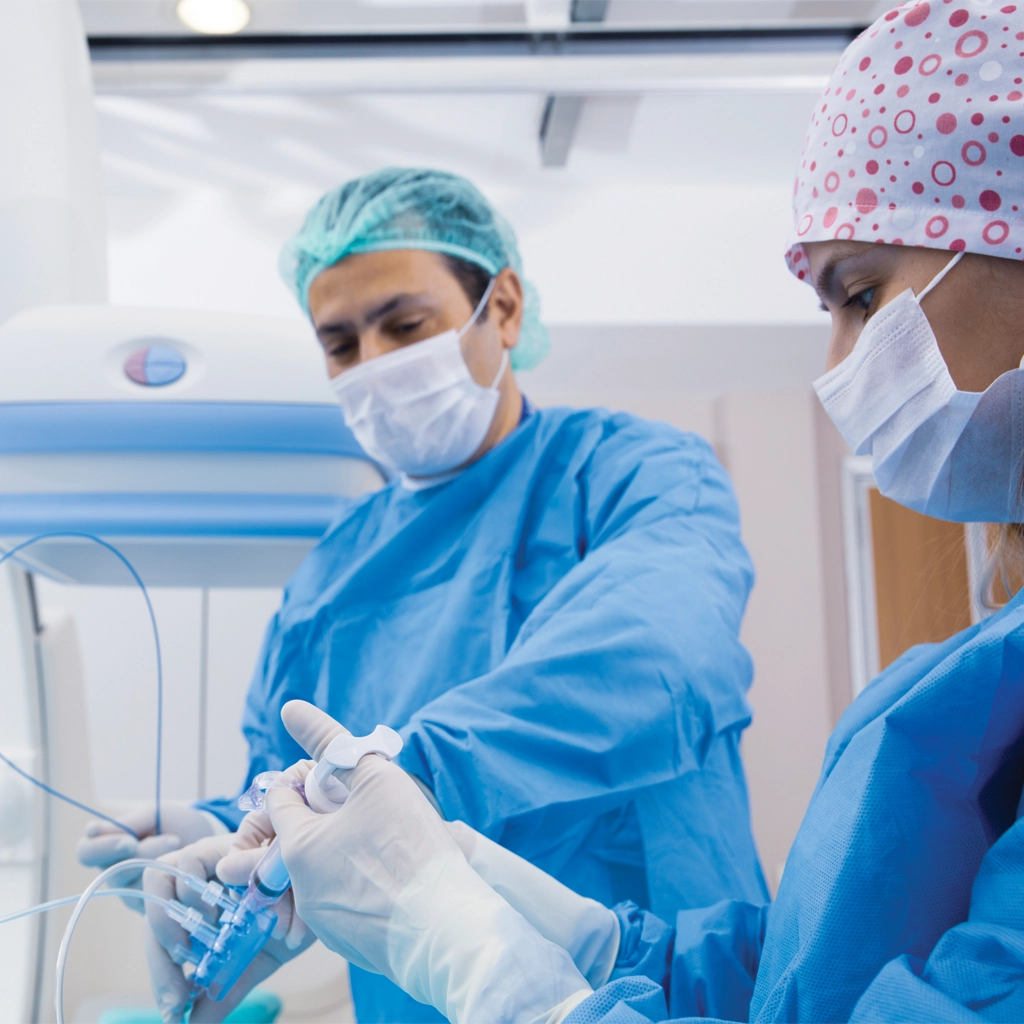
The premise of vascular and interventional radiology is this: Treat disease from inside the body, using imaging (like X-ray or ultrasound) to guide tiny catheters and instruments through the body’s vascular system to the site of the problem. While not appropriate to treat every type of disease, the clinically proven approaches to the diseases and health problems that can be treated this way offer comparable or better outcomes than surgery, but with a shorter recovery time, less pain, no incisions/scarring and a faster return to normal activities.