Plantar Fasciitis

Symptoms | Diagnosis | Treatment

What is plantar fasciitis?

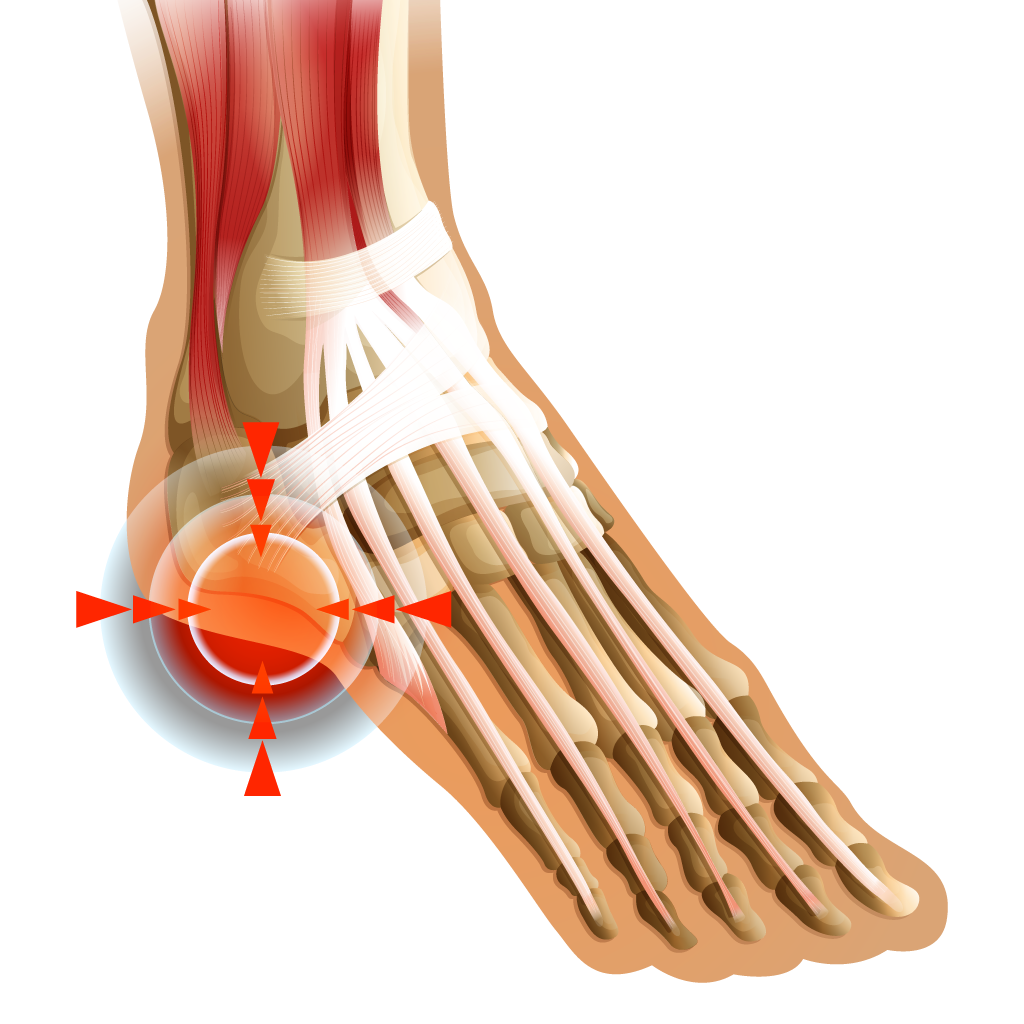
Plantar fasciitis occurs when the plantar fascia, the thick band of tissue that runs from the heel of your foot to your toes, becomes irritated or overloaded, causing pain and discomfort. It is very common in runners. In fact, plantar fasciitis accounts for up to 10% of running-related injuries and is often referred to as “runner’s heel.”

What causes plantar fasciitis?

With each stride, the plantar fascia absorbs up to 3 times your body weight. As a result, it is highly susceptible to inflammation and tears from the repetitive impact of running. It is usually caused by repeated strain, rather than a single injury. Other causes or contributing factors can include:

  • A sudden increase in walking, running or exercise
  • Standing for long hours on hard surfaces
  • Wearing shoes with poor arch support
  • Having flat feet or very high arches
  • Being overweight
plantar fasciitis
plantar fasciitis

What are the symptoms of plantar fasciitis?

  • A sharp or stabbing pain in the heel
  • Pain after standing up after a long period of sitting
  • Discomfort after standing, walking or running
  • Pain that is worst with the first steps after you wake up in the morning

How is plantar fasciitis diagnosed?

  • Physical Exam: A diagnosis is made based on your symptoms and an evaluation by a healthcare provider
  • Diagnostic Imaging: Typically performed if symptoms are unusual, severe or not improving. This can include X-rays, ultrasound or MRI.

Treatment for Plantar Fasciitis

Because plantar fasciitis is a common condition, there are many treatment options, including:

Stretching and Icing

These may include a series of prescribed stretches and movements to alleviate symptoms, and/or icing the heel for 15-20 minutes several times per day.

Activity Modification

You may be advised to temporarily cut back on exercise or running, avoid prolonged standing on hard surfaces or switch to exercising that does not irritate or put stress on the heel.

Orthotic Footwear

Shoes with customized inserts can improve support and pressure distribution, which can reduce pain and increase comfort during activity.

Physical Therapy

A professional physical therapist may use techniques such as guided stretching and strengthening, gait assessment and more.

Corticosteroid Injections

Injections can reduce pain and inflammation temporarily, but repeated injections can create additional risks, such as tissue rupture.

Extracorporeal Shock Wave Therapy

When plantar fasciitis does not improve on its own, ESWT is a treatment that uses sound waves to stimulate

Surgery

A surgical procedure to “release” the plantar fascia is sometimes recommended after 6-12 months of unsuccessful conservative treatment.

Plantar Fasciitis Embolization (PFE)

Performed by the doctors at Pacific Vascular Access Care, this innovative treatment is minimally invasive and has shown to be effective at reducing pain and inflammation.

How can we help you with plantar fasciitis?

At Pacific Vascular Access Care, we realize how plantar fasciitis can affect your daily life and overall well-being. Our dedicated team is committed to providing personalized care and guidance every step of the way. Using advanced diagnostic tools and a variety of tailored treatment options, we focus on meeting your unique health needs with compassion and expertise.