Peripheral Nerve Stimulation (PNS) in Los Angeles

Overview | Benefits | Conditions Treated with PNS | Is PNS right for you? | Our Approach

What is Peripheral Stimulation?

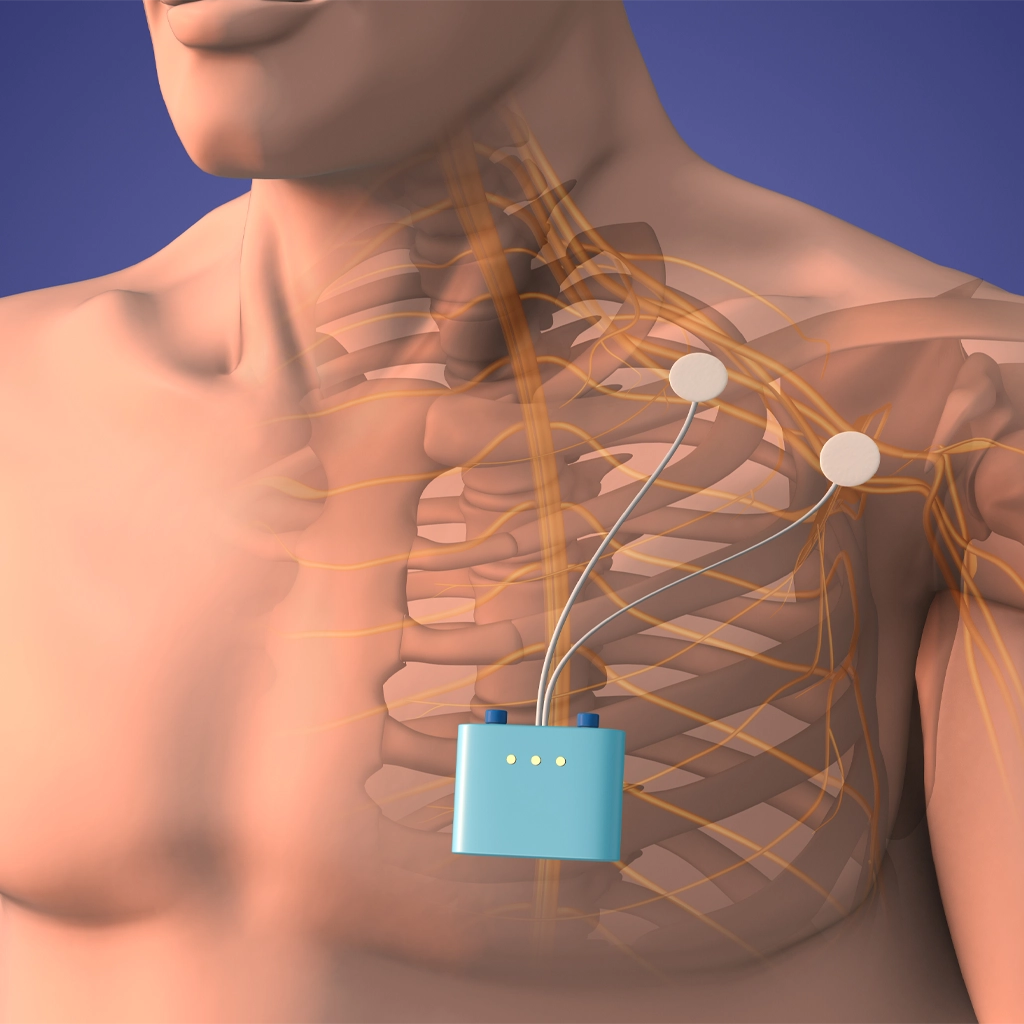
Peripheral Nerve Stimulation (PNS) is a neuromodulation therapy used to help manage chronic, localized pain that has not improved with traditional treatments. This minimally invasive procedure involves placing a small electrical device near a specific peripheral nerve to deliver mild electrical impulses that help modify and regulate pain signals.

Peripheral Nerve Stimulation (PNS)

The peripheral nervous system includes all of the nerves outside the brain and spinal cord. When these nerves are damaged, irritated, or not functioning properly, they can send ongoing or abnormal pain signals to the brain, leading to persistent discomfort. PNS works by altering these signals and changing how the brain processes pain, which may help reduce symptoms and improve overall function.

The Benefits of PNS

  • Targeted Pain Relief: PNS directly targets the specific nerve responsible for the pain, often providing more precise relief than broad, systemic (whole-body) treatments.
  • Non-Opioid: PNS is a drug-free option that may reduce or eliminate the need for oral pain medications, including opioids.
  • Minimally Invasive: The procedure is less invasive than traditional surgery, allowing for a faster recovery time and a lower risk of complications.
  • Reversible: If the treatment is not effective, the device can be turned off and removed. Patients also have the option of pursuing more invasive surgical treatments if peripheral nerve stimulation does not provide adequate relief.

What Conditions are Treated with PNS?

PNS can be used to treat many chronic pain conditions, including:

  • Neuropathic pain: Pain resulting from nerve damage.
  • Complex Regional Pain Syndrome (CRPS): Pain that is localized to a specific limb or area.
  • Chronic headaches: Including occipital neuralgia or certain types of migraines.
  • Post-amputation pain: Including phantom limb pain.
  • Post-surgical nerve pain: Pain that doesn’t go away after a surgical procedure.
  • Chronic joint pain: Such as knee or shoulder pain.
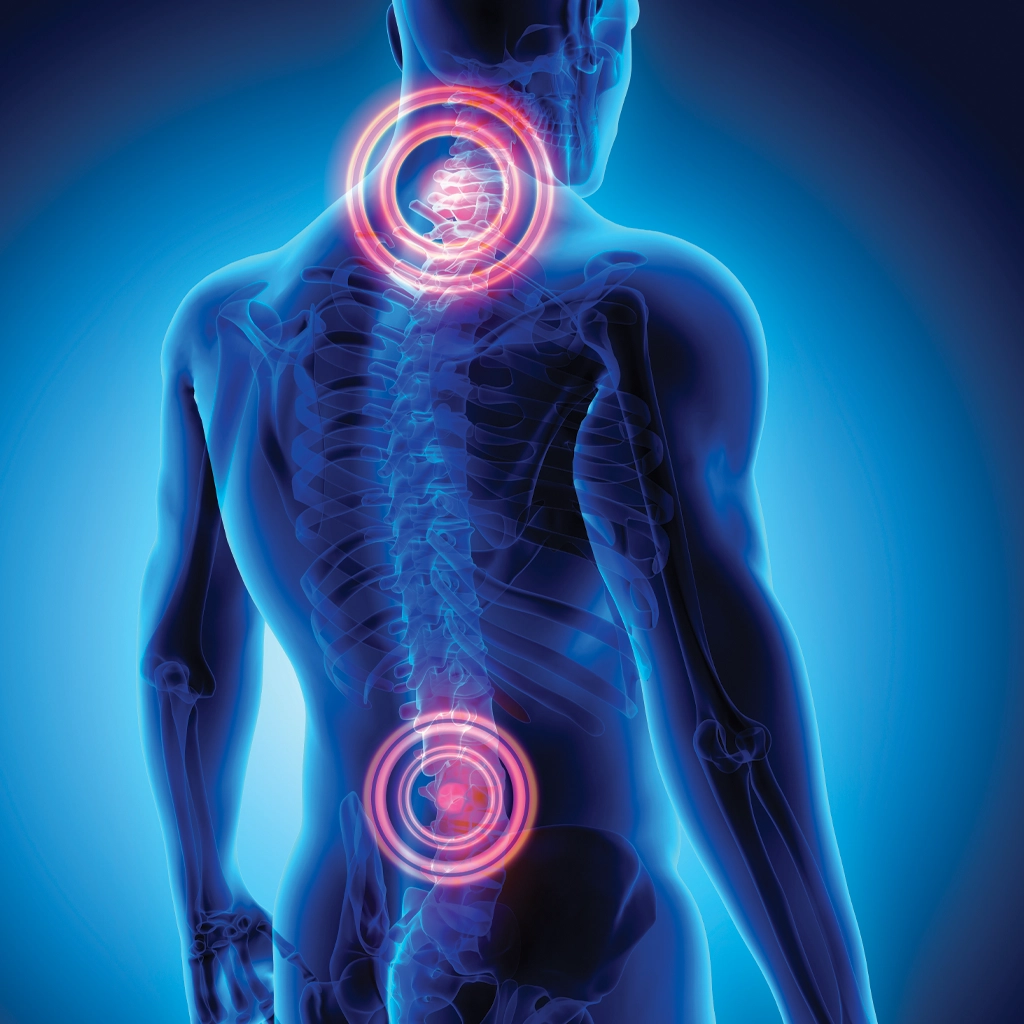
  • Arthritic pain: Such as back, neck, shoulder, arm and knee pain.

Our Approach at PVAC

The process for implanting a PNS device involves two main phases.

  1. Trial Period: A temporary electrode is placed near the targeted nerve and connected to an external battery worn by the patient. This allows the patient to experience the therapy for several days and determine whether it provides meaningful pain relief. If the trial is successful, typically defined as achieving at least a 50% reduction in pain, the patient may proceed with permanent implantation. After the one-week clinical trial period, the temporary leads are removed to minimize the risk of complications.
  2. Permanent Implantation: The permanent PNS device is placed during a minimally invasive outpatient procedure. The leads are positioned and secured near the targeted nerve, and a small pulse generator is implanted beneath the skin. Patients are able to recover at home after the procedure, and a hospital stay is generally not required.

Recovery is typically rapid, with most patients returning to light activities within a day or two and resuming full activity within one to two weeks.

Patient-Centered Care

We understand that navigating the many treatment options available for chronic pain can feel overwhelming. The compassionate healthcare team at PVAC is dedicated to supporting you throughout every stage of your care, from your initial consultation through post-procedure follow-up. We focus on open communication, patient education, and empowering you with the information needed to make confident, informed decisions about your health.